Flash Dryer
Flash Dryer Investment Guide: Complete Cost Analysis and Comparison with Other Drying Methods
The global industrial drying equipment market reached $4.2 billion in 2023, with flash dryers accounting for nearly 15% of this massive industry. Yet most manufacturers struggle with a critical question: should they invest in flash dryer technology or stick with traditional drying methods? The answer lies in understanding the true cost considerations of flash dryer investments and how they stack up against other drying solutions.
Making the wrong choice can cost your business hundreds of thousands of dollars in operational inefficiencies, maintenance expenses, and lost productivity. This comprehensive guide breaks down every aspect of flash dryer costs, compares them with alternative drying methods, and provides you with the data-driven insights needed to make an informed investment decision that maximizes your return on investment.
Table of Contents
Understanding Flash Dryer Technology and Its Market Position
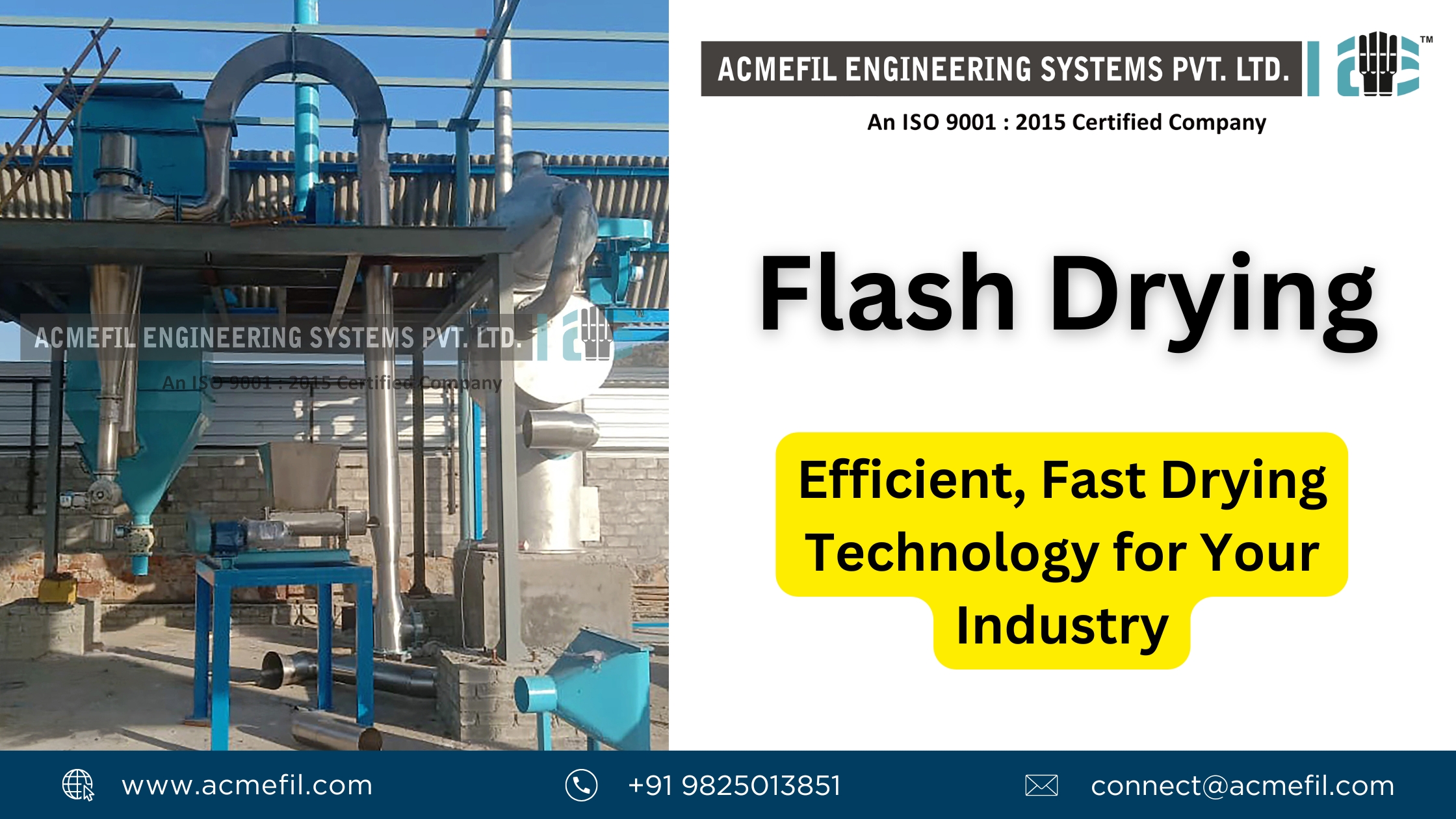
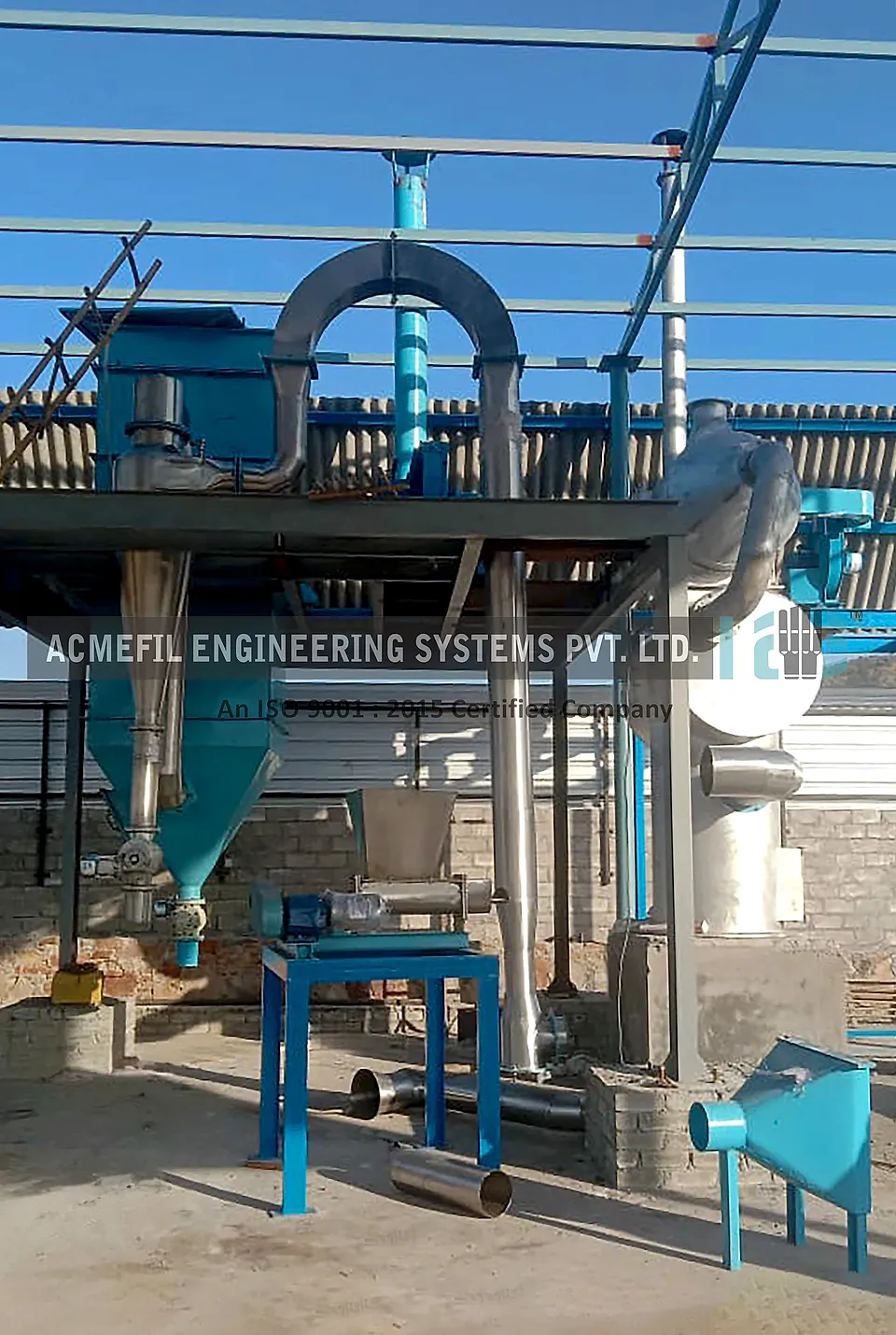
Flash dryers represent a revolutionary approach to industrial drying, utilizing high-velocity hot air to rapidly remove moisture from materials in seconds rather than hours. This pneumatic conveying system creates a suspension of wet materials in a heated air stream, achieving moisture removal rates that traditional methods simply cannot match.
The technology operates on the principle of instantaneous heat and mass transfer. Wet materials enter a vertical or horizontal drying chamber where they encounter temperatures ranging from 150°C to 800°C, depending on the application. The rapid heat transfer creates immediate vaporization of surface and internal moisture, while the high-velocity air stream carries both the dried product and moisture vapor to separation equipment.
Industries ranging from pharmaceuticals and chemicals to food processing and minerals have embraced flash drying technology for its ability to handle heat-sensitive materials while maintaining product quality. The pharmaceutical sector alone accounts for over 30% of flash dryer installations globally, driven by the need for precise moisture control in drug manufacturing processes.
Initial Capital Investment: Breaking Down Flash Dryer Costs
The upfront investment in flash dryer technology varies significantly based on capacity, configuration, and specialized features. Small-scale units processing 50-100 kg/hour typically require an investment of $150,000 to $300,000, while large industrial systems handling 5,000+ kg/hour can exceed $2 million.
Several factors influence the initial cost structure. The drying chamber design represents the largest component, accounting for 35-40% of total equipment cost. Heat source selection significantly impacts pricing, with natural gas systems typically costing 15-20% less than electric heating alternatives. Advanced control systems, including automated moisture monitoring and temperature regulation, add $50,000 to $150,000 to the base price but deliver substantial operational benefits.
Material handling systems constitute another major cost component. Wet material feeding equipment, cyclone separators, and bag filters collectively represent 25-30% of the total investment. High-temperature resistant construction materials, such as stainless steel 316L or specialized alloys, can increase costs by 20-25% compared to standard carbon steel construction.
Specialized applications require additional investment considerations. Pharmaceutical-grade systems meeting FDA validation requirements typically cost 40-50% more than standard industrial units. Explosion-proof designs for handling volatile solvents add 30-35% to base pricing. Multi-stage systems designed for complex drying profiles can double the investment compared to single-stage alternatives.
Operational Cost Analysis: Running Your Flash Dryer Efficiently
Energy consumption represents the most significant ongoing operational expense for flash dryer systems. Thermal efficiency directly impacts profitability, with modern units achieving 60-75% efficiency compared to 40-50% for older designs. A typical 1,000 kg/hour flash dryer consumes 2.5-3.5 MW of thermal energy, translating to $200-400 per hour in energy costs depending on fuel prices.
Labor requirements for flash dryer operations remain relatively low due to high automation levels. Most systems require one operator per shift, with annual labor costs ranging from $150,000 to $250,000 including benefits. Maintenance personnel requirements vary based on system complexity, typically requiring 2-4 hours of skilled technician time per week for routine maintenance activities.
Consumable costs include replacement parts, filter media, and wear components. Annual consumable expenses typically range from 3-5% of the initial capital investment. High-wear components such as cyclone liners, conveying pipelines, and air distribution plates require periodic replacement, with costs varying based on material abrasiveness and operating conditions.
Utility costs extend beyond energy consumption to include compressed air, cooling water, and electrical power for auxiliary equipment. Compressed air systems for product conveying and equipment cleaning typically consume 500-1,500 cubic meters per hour. Cooling water requirements for heat exchangers and equipment cooling range from 10-50 cubic meters per hour, depending on system design and ambient conditions.
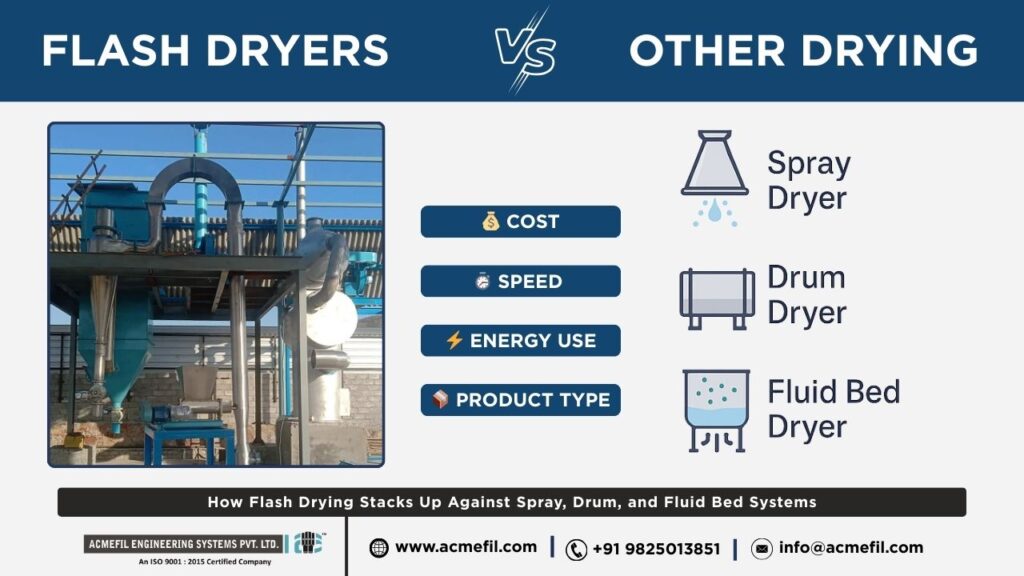
Comparing Flash Dryers with Spray Drying Technology
Spray drying technology represents the primary alternative for many applications requiring rapid moisture removal from liquid feeds. The investment comparison reveals significant differences in both capital and operational costs. Spray dryers typically require 20-30% higher initial investment due to complex atomization systems and large drying chambers.
Energy efficiency comparisons favor flash dryers in most applications. Spray dryers achieve thermal efficiencies of 50-65%, while modern flash dryers consistently deliver 60-75% efficiency. This 5-15% efficiency advantage translates to substantial operational savings over the equipment lifecycle.
Product quality considerations often determine technology selection. Spray dryers excel at producing spherical particles with controlled size distribution, making them ideal for pharmaceutical tablets and food powder applications. Flash dryers maintain better temperature control for heat-sensitive materials, preventing thermal degradation while achieving target moisture levels.
Maintenance requirements differ significantly between technologies. Spray dryer atomization systems require frequent maintenance due to nozzle wear and clogging issues. Flash dryers benefit from simpler mechanical systems with fewer precision components, resulting in 25-35% lower annual maintenance costs.
Processing flexibility represents another key differentiator. Flash dryers handle a wider range of feed consistencies, from thin slurries to paste-like materials. Spray dryers require liquid feeds with specific viscosity and solid content ranges, limiting their application versatility.
Flash Dryers Versus Rotary Drum Dryers
Rotary drum dryers represent traditional drying technology with lower initial investment requirements. Basic rotary systems cost 40-60% less than equivalent capacity flash dryers, making them attractive for budget-conscious operations. However, operational cost analysis reveals a more complex picture.
Energy consumption comparisons show rotary dryers consuming 15-25% more thermal energy per kilogram of water removed. The longer residence time and heat transfer limitations of rotating drum design result in higher specific energy consumption. Over a 10-year operational period, the additional energy costs often exceed the initial capital savings.
Product quality differences significantly impact technology selection. Rotary dryers subject materials to extended heat exposure, potentially causing thermal degradation in sensitive products. Flash dryers minimize heat exposure time, maintaining product integrity while achieving desired moisture levels.
Throughput capacity represents a major advantage for flash dryer technology. Flash systems process materials continuously with residence times measured in seconds, while rotary dryers require 15-45 minutes for comparable moisture removal. This difference translates to significantly smaller equipment footprints for equivalent production capacity.
Environmental considerations increasingly favor flash dryer technology. Rotary systems generate higher emissions due to longer contact times and incomplete combustion. Flash dryers achieve better combustion efficiency and lower particulate emissions, reducing environmental compliance costs.
Fluid Bed Dryer Comparison Analysis
Fluid bed drying technology offers another alternative for materials requiring gentle drying conditions. Initial investment costs for fluid bed systems typically range 20-30% below comparable flash dryer installations, primarily due to simpler construction and lower temperature requirements.
Heat transfer efficiency comparisons reveal significant differences in drying performance. Fluid bed dryers achieve excellent heat transfer through intimate gas-solid contact but require longer residence times. Flash dryers complete moisture removal in 5-15 seconds compared to 5-30 minutes for fluid bed systems.
Product handling characteristics influence technology selection. Fluid bed dryers excel with granular materials having good fluidization properties. Flash dryers handle a broader range of materials, including sticky, cohesive, and fine powders that cannot be effectively fluidized.
Operational flexibility represents a key advantage for flash dryer systems. Feed rate variations minimally impact flash dryer performance, while fluid bed systems require careful optimization of air flow and temperature for stable operation. This flexibility translates to reduced operational complexity and lower skilled labor requirements.
Scale-up considerations favor flash dryer technology for large-capacity applications. Fluid bed dryers face significant challenges in maintaining uniform fluidization across large bed areas. Flash dryers scale linearly with increased air flow and chamber size, maintaining consistent performance characteristics.
Tray Dryer Cost-Benefit Analysis
Tray drying represents the most basic industrial drying technology, with minimal initial investment requirements. Simple tray dryer systems cost 70-80% less than flash dryer installations, making them attractive for small-scale operations with limited capital availability.
However, operational cost analysis reveals significant disadvantages. Tray dryers require 8-24 hours for moisture removal compared to seconds for flash drying. Labor costs multiply due to manual loading, unloading, and material handling requirements. Energy efficiency suffers due to batch processing and heat losses during loading cycles.
Product quality considerations often eliminate tray drying from consideration. Extended heat exposure times cause thermal degradation in heat-sensitive materials. Cross-contamination risks increase due to manual handling and batch processing methods.
Scalability limitations restrict tray dryer applications to small-volume specialty products. Large-scale production requires multiple units operating in parallel, increasing complexity and labor requirements proportionally.
Total Cost of Ownership: 10-Year Financial Analysis
Comprehensive financial analysis requires examining total cost of ownership over the equipment lifecycle. Flash dryer systems typically demonstrate superior economics despite higher initial investment costs. Energy savings alone often justify the investment premium within 3-5 years.
Maintenance cost projections favor flash dryer technology due to simpler mechanical systems and continuous operation. Annual maintenance expenses typically range 4-6% of initial investment compared to 6-8% for alternative technologies. Reduced downtime for maintenance activities provides additional operational benefits.
Labor cost advantages accumulate significantly over the equipment lifecycle. Flash dryer automation reduces operator requirements by 50-70% compared to batch drying alternatives. Skilled maintenance requirements decrease due to simplified system design and proven reliability.
Product quality improvements translate to reduced waste and increased yields. Flash dryers typically achieve 2-5% higher product recovery rates compared to alternative technologies. For high-value products, these yield improvements often exceed annual equipment costs.
Return on Investment Calculations and Payback Analysis
ROI calculations for flash dryer investments typically show attractive returns when properly analyzed. Energy savings represent the most quantifiable benefit, with annual savings of $150,000 to $500,000 common for medium to large-scale installations.
Labor cost reductions provide substantial additional benefits. Eliminating one operator position saves $75,000 to $125,000 annually including benefits. Reduced maintenance requirements contribute additional savings of $25,000 to $75,000 per year.
Quality improvements and increased yields often provide the largest economic benefits. Reducing product loss by 2% on a $10 million annual production volume generates $200,000 in additional profit. Heat-sensitive products may show even greater quality premiums.
Payback period calculations typically range from 2.5 to 4.5 years for well-designed flash dryer installations. Factors improving payback include high energy costs, labor-intensive existing processes, and valuable product streams requiring gentle drying conditions.
Financing Options and Investment Strategies
Equipment financing options significantly impact the investment decision process. Traditional bank financing typically requires 20-25% down payment with 5-7 year repayment terms. Equipment leasing alternatives reduce initial cash requirements while providing tax advantages through depreciation benefits.
Government incentive programs increasingly support energy-efficient drying technology. Federal tax credits for energy-efficient equipment can reduce net investment costs by 10-15%. State and local utility rebate programs provide additional savings opportunities.
Phased implementation strategies help manage large investments. Pilot-scale installations allow process validation before full-scale commitment. Modular flash dryer designs enable capacity expansion as production requirements grow.
Technology upgrade financing addresses obsolete equipment replacement. Trade-in programs reduce net investment costs while ensuring proper disposal of outdated systems. Performance guarantees from reputable manufacturers minimize investment risks.
Risk Assessment and Mitigation Strategies
Investment risk assessment requires careful evaluation of technical, operational, and market factors. Technology risk decreases with proven suppliers having extensive application experience. Process risk mitigation involves pilot testing and performance guarantees.
Operational risks include energy price volatility and skilled labor availability. Long-term energy contracts provide price stability for operational planning. Comprehensive operator training programs ensure reliable system operation.
Market risks encompass demand fluctuations and competitive pressures. Flexible system design accommodates product mix changes and capacity adjustments. Automation features reduce labor dependency during market downturns.
Financial risks require careful cash flow analysis and contingency planning. Conservative performance projections prevent over-optimistic investment decisions. Maintenance reserves ensure adequate funding for system upkeep throughout the equipment lifecycle.
Future Cost Trends and Technology Developments
Industry trends indicate continued cost pressure on energy consumption and environmental compliance. Advanced heat recovery systems improve thermal efficiency while reducing operational costs. Predictive maintenance technologies minimize unscheduled downtime and extend equipment life.
Automation advances reduce labor requirements while improving process consistency. Artificial intelligence applications optimize operating parameters for minimum energy consumption. Remote monitoring capabilities enable centralized operation of multiple installations.
Environmental regulations increasingly favor efficient drying technologies. Carbon pricing mechanisms penalize energy-intensive processes, improving flash dryer economics relative to alternatives. Emission control requirements add costs to less efficient technologies.
Technology standardization reduces equipment costs through improved manufacturing economies. Modular design approaches enable custom configurations from standard components. Digital twin technology optimizes system design before construction, reducing implementation risks.
Flash dryer investments represent sophisticated capital decisions requiring comprehensive analysis of multiple cost factors. While initial investment costs exceed many alternative technologies, operational advantages typically justify the premium through improved efficiency, product quality, and reduced labor requirements. The key to successful implementation lies in thorough application analysis, proper system sizing, and realistic performance projections.
Modern flash dryer technology offers proven solutions for demanding drying applications across diverse industries. Energy efficiency improvements, automation capabilities, and reliability advances continue strengthening the economic case for flash dryer adoption. Organizations considering drying system investments should prioritize total cost of ownership analysis over initial capital costs to make informed decisions supporting long-term profitability and competitive advantage.
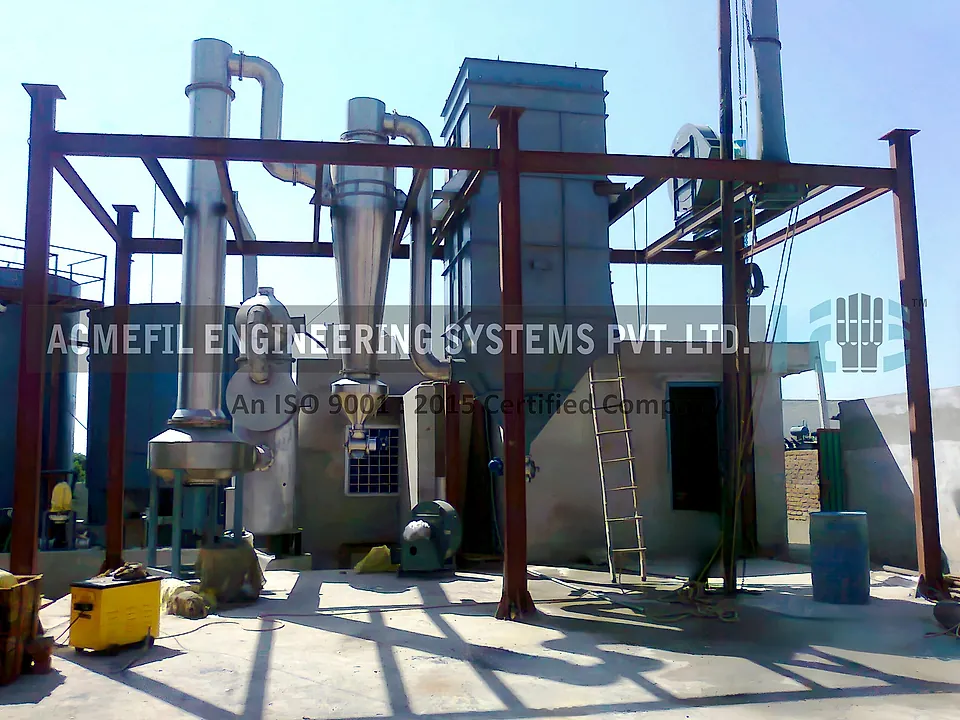
For manufacturers seeking proven flash drying solutions, Acmefil Engineering Systems Pvt. Ltd. stands as India’s premier turnkey provider of advanced industrial drying equipment. Established in 1992 and ISO 9001:2015 certified, Acmefil has successfully delivered over 800 installations nationwide, specializing in custom-engineered flash dryers that optimize energy efficiency while maintaining superior product quality. Their comprehensive approach combines innovative design with reliable performance, offering complete solutions from initial consultation through commissioning and ongoing support, making them the trusted choice for manufacturers seeking to maximize their drying technology investments.
Flash and spin flash dryers
Flash dryers
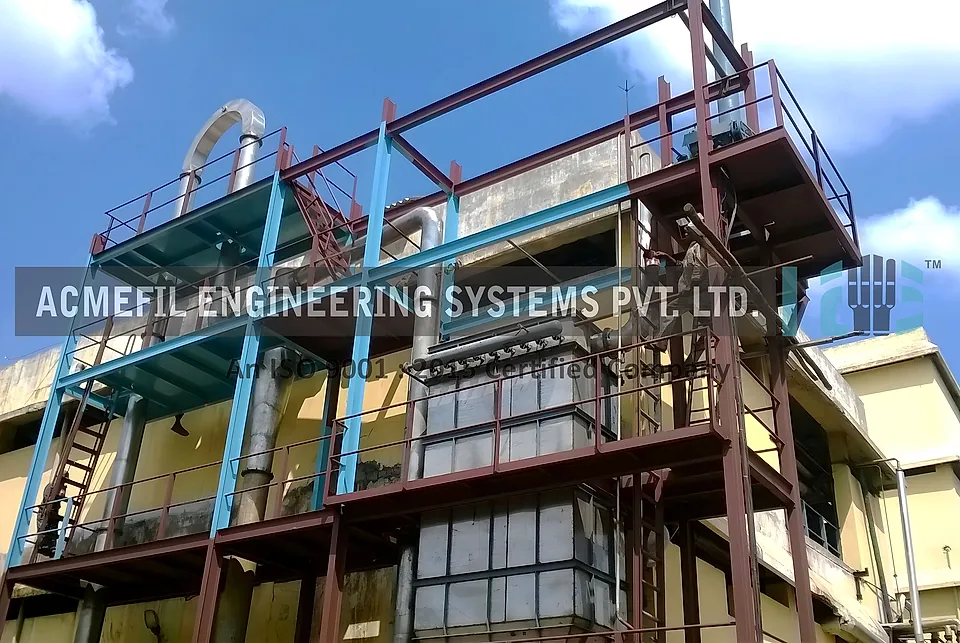
Loose, crumbly wet solids are fed into a fast stream of hot air, carried up a drying duct and dried in seconds – continuous, simple and compact.
- Seconds of drying
- Continuous
- Simple, compact layout
Spin flash dryers
Wet cake and paste are broken up by a rotor inside a swirling hot-air vortex and leave as dry powder – for feeds a plain flash dryer cannot disperse.
- Filter cake & paste
- De-agglomerated powder
- Sticky, lumpy feeds
Send your product details and capacity. We reply with a dryer recommendation, budget quote and a pilot-trial option.
Get my proposalWhatsApp
Process engineers at Acmefil Engineering Systems Pvt. Ltd., Ahmedabad – designers and manufacturers of flash and spin flash dryers, fluid bed and spray dryers since 1992.