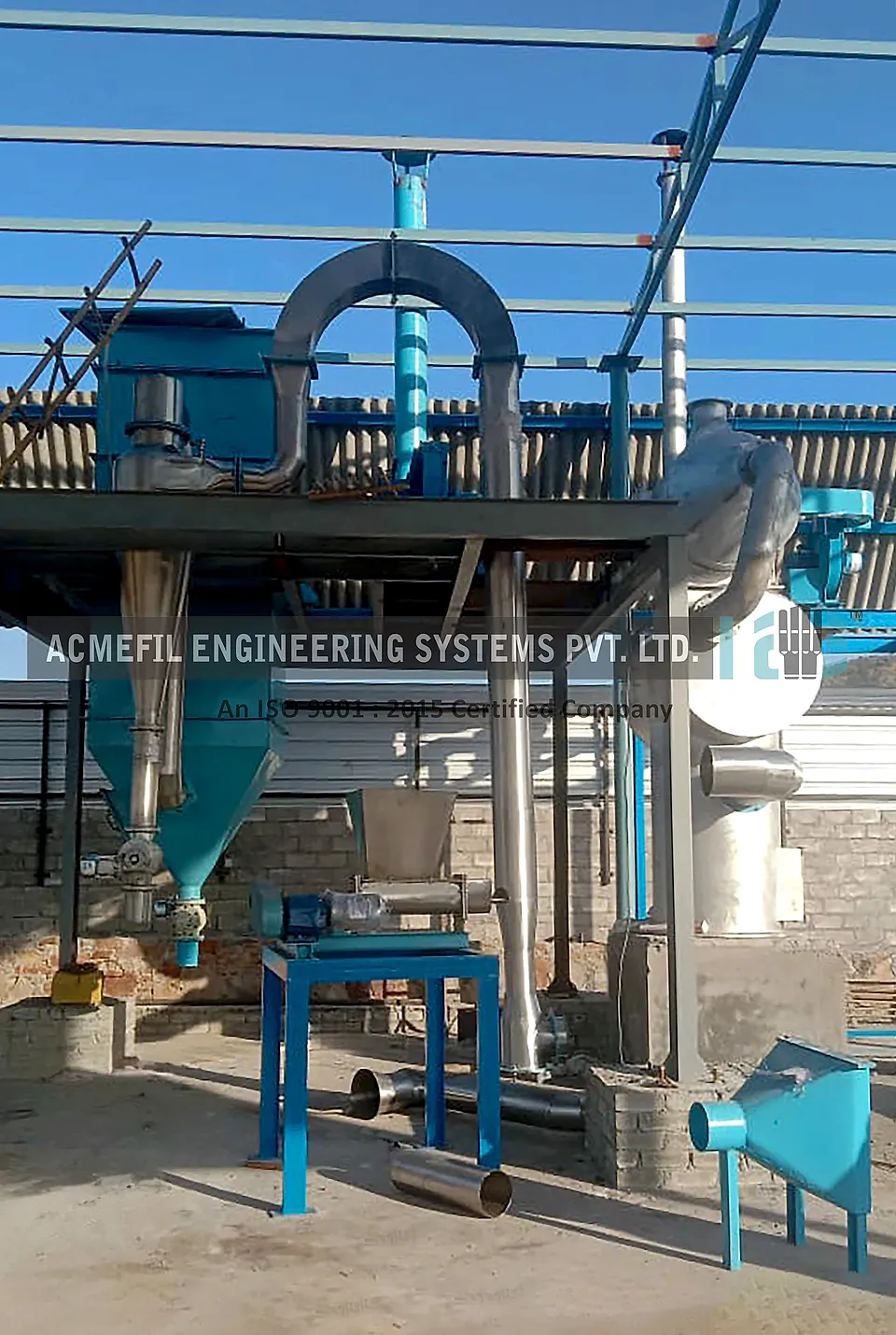
Flash Dryer
Flash Dryer Maintenance and Troubleshooting: Common Fixes That Actually Work
When your flash dryer suddenly stops performing at peak efficiency, the panic sets in fast. Production schedules hang in the balance, and every minute of downtime costs money. Here’s the reality that most operators discover the hard way: 85% of flash dryer failures stem from preventable maintenance issues that could have been caught early with the right knowledge.
This comprehensive guide reveals the exact flash dryer maintenance and troubleshooting techniques that keep industrial operations running smoothly. You’ll discover proven common fixes that solve the most frequent problems, plus learn how to implement a maintenance strategy that prevents costly breakdowns before they happen.
Table of Contents
Understanding Flash Dryer Systems: The Foundation of Effective Maintenance
Flash dryers operate through rapid moisture removal using heated air streams and mechanical dispersion. The intricate balance between temperature, airflow, and material feed rates makes these systems both powerful and sensitive to operational variations.
The typical flash dryer system consists of several critical components that require specific maintenance attention. The heating chamber maintains precise temperature control, while the cyclone separator ensures efficient material recovery. The air handling system manages airflow dynamics, and the material feed mechanism controls input consistency.
Understanding these interconnected systems helps identify where problems originate. Temperature fluctuations often trace back to heating element issues or airflow restrictions. Material quality problems frequently stem from feed mechanism malfunctions or separator inefficiencies.
Modern flash dryers incorporate sophisticated control systems that monitor multiple parameters simultaneously. These automated systems provide valuable diagnostic information, but they also introduce additional maintenance requirements for sensors, actuators, and electronic components.
Essential Flash Dryer Maintenance Schedule: Preventing Problems Before They Start
Successful flash dryer maintenance follows a structured approach with daily, weekly, monthly, and annual tasks. This systematic schedule prevents small issues from escalating into major failures that require emergency repairs.
Daily maintenance tasks focus on immediate operational parameters. Check temperature readings across all zones, verify airflow indicators, and inspect material feed consistency. Visual inspections of the cyclone separator help identify early signs of wear or blockage. Monitor vibration levels on rotating equipment and listen for unusual noises that indicate developing problems.
Weekly maintenance expands to more detailed inspections. Clean air filters and replace them if necessary. Inspect heating elements for signs of damage or reduced efficiency. Check belt tensions on conveyor systems and examine bearings for proper lubrication. Test safety systems including emergency stops and temperature alarms.
Monthly maintenance includes comprehensive system reviews. Perform detailed cleaning of the entire airflow path, removing accumulated material residue. Inspect and calibrate temperature sensors and control instruments. Check electrical connections for tightness and signs of corrosion. Review maintenance logs to identify recurring issues or patterns.
Annual maintenance involves major component inspections and replacements. Conduct thorough heating element testing and replacement as needed. Perform complete bearing replacements on rotating equipment. Test and calibrate all control systems. Inspect structural components for wear or damage.
Temperature Control Issues: Diagnosis and Repair Solutions
Temperature control problems represent the most common flash dryer maintenance challenge. These issues manifest in various ways, from inconsistent drying results to complete system shutdowns. Understanding the root causes enables quick, effective repairs.
Heating element failure creates the most obvious temperature control problem. Elements degrade gradually, producing uneven heating patterns before complete failure. Early warning signs include temperature fluctuations, increased energy consumption, and visual inspection revealing damaged or corroded elements.
Replacing heating elements requires specific procedures to ensure safety and effectiveness. Power isolation comes first, followed by cooling the system completely. Remove access panels and carefully disconnect electrical connections, noting wire positions for proper reconnection. Install new elements with appropriate torque specifications and verify proper clearances.
Airflow restrictions also cause temperature control issues by disrupting heat transfer patterns. Blocked air passages, dirty filters, or fan problems create uneven temperature distribution. Regular cleaning prevents most airflow problems, but mechanical failures require component replacement.
Control system malfunctions produce erratic temperature behavior that’s difficult to diagnose without proper testing equipment. Faulty sensors provide incorrect readings, causing the control system to make inappropriate adjustments. Calibration procedures restore accuracy, while sensor replacement addresses physical damage.
Insulation deterioration allows heat loss that forces the system to work harder while achieving poorer results. Inspect insulation regularly for gaps, compression, or moisture damage. Replace damaged sections promptly to maintain energy efficiency and temperature stability.
Airflow System Troubleshooting: Maintaining Optimal Performance
Airflow problems in flash dryers create cascading effects throughout the entire system. Reduced airflow decreases drying efficiency, while excessive airflow wastes energy and may damage materials. Proper diagnosis requires understanding the complete airflow path and measurement techniques.
Fan performance deteriorates through several mechanisms. Blade wear, motor problems, and bearing failures all reduce airflow capacity. Regular vibration monitoring detects bearing issues early, while visual inspections reveal blade damage or material buildup.
Air filter maintenance directly impacts system performance. Clogged filters restrict airflow, forcing fans to work harder while delivering less air volume. Establish filter replacement schedules based on operating conditions rather than arbitrary time intervals. Monitor pressure differential across filters to determine optimal replacement timing.
Ductwork inspection reveals hidden problems that affect overall system performance. Internal obstructions from material buildup reduce effective cross-sectional area. Damaged or loose joints allow air leakage that reduces system efficiency. Proper cleaning techniques remove accumulated material without damaging ductwork surfaces.
Damper and valve positions control airflow distribution throughout the system. Incorrect positions create imbalanced conditions that reduce drying effectiveness. Regular verification ensures proper settings, while lubrication maintains smooth operation of adjustment mechanisms.
Cyclone separator problems affect both airflow and material recovery. Damaged vanes or improper clearances reduce separation efficiency. Regular inspection and adjustment maintain optimal performance while preventing material loss.
Material Feed System Maintenance: Ensuring Consistent Operation
Material feed consistency directly impacts flash dryer performance and product quality. Feed system problems create downstream issues including temperature fluctuations, airflow disruptions, and incomplete drying. Systematic maintenance prevents most feed-related problems.
Conveyor belt systems require regular inspection and adjustment. Belt tension affects both material handling and equipment longevity. Insufficient tension causes slippage and irregular feed rates, while excessive tension creates premature wear. Proper tension adjustment procedures ensure optimal performance.
Screw conveyors face unique challenges in flash dryer applications. Material buildup on flights reduces conveying efficiency, while wear creates clearance problems that affect feed consistency. Regular cleaning and wear inspection maintain proper operation.
Rotary valve maintenance focuses on sealing effectiveness and wear resistance. Damaged rotors allow air leakage that disrupts system balance, while worn clearances permit material leakage. Adjustment procedures restore proper clearances, while rotor replacement addresses severe wear.
Level control systems ensure consistent material supply to the dryer. Sensor problems create feed interruptions or overflows that affect drying performance. Regular calibration and cleaning maintain sensor accuracy, while backup systems prevent production interruptions.
Vibration monitoring on feed equipment detects developing mechanical problems. Increased vibration levels indicate bearing wear, misalignment, or material imbalance. Early detection allows scheduled maintenance rather than emergency repairs.
Electrical System Diagnostics: Solving Control Problems
Electrical problems in flash dryers range from simple wiring issues to complex control system failures. Systematic diagnosis procedures identify root causes while ensuring technician safety. Understanding common electrical problems enables faster repairs and reduced downtime.
Motor problems create obvious operational issues but require careful diagnosis to determine repair versus replacement decisions. Overheating, unusual noises, and vibration indicate developing problems. Electrical testing reveals insulation deterioration, winding problems, and connection issues.
Control system problems often produce confusing symptoms that seem to indicate mechanical failures. Erratic operation, incorrect readings, and system shutdowns may stem from electrical rather than mechanical causes. Proper diagnostic procedures isolate electrical problems from mechanical issues.
Sensor failures create control problems that affect entire system operation. Temperature sensors provide incorrect readings that cause inappropriate control responses. Pressure sensors fail to detect critical conditions, potentially causing safety issues. Regular calibration and testing maintain sensor accuracy.
Wiring problems develop gradually through vibration, heat exposure, and chemical contamination. Loose connections create voltage drops that affect equipment operation. Corroded connections increase resistance and generate heat. Regular inspection and maintenance prevent most wiring problems.
Power quality issues affect sensitive electronic controls while mechanical components continue operating normally. Voltage fluctuations, harmonic distortion, and phase imbalances create control system problems. Power monitoring equipment identifies these issues when they occur.
Safety System Maintenance: Critical Protection Features
Safety systems in flash dryers protect both personnel and equipment from dangerous conditions. These systems require regular testing and maintenance to ensure proper operation when needed. Neglecting safety system maintenance creates liability risks and potential catastrophic failures.
Emergency stop systems must function reliably under all conditions. Regular testing verifies proper operation of all stop switches and their associated circuits. Mechanical switches require lubrication and adjustment, while electronic systems need calibration verification.
Temperature monitoring and alarm systems prevent overheating that could cause fires or equipment damage. High-temperature cutoffs must operate reliably at predetermined setpoints. Regular calibration ensures accurate trip points, while functional testing verifies complete system response.
Pressure relief systems protect against dangerous overpressure conditions. Safety valves require periodic testing and adjustment to maintain proper operating pressures. Rupture discs need replacement according to manufacturer specifications, regardless of apparent condition.
Fire suppression systems provide critical protection for high-temperature operations. Sprinkler systems need regular inspection and testing to ensure proper coverage and operation. Specialized suppression systems require manufacturer-specific maintenance procedures.
Personal protective equipment and safety procedures protect maintenance personnel during service activities. Lockout/tagout procedures prevent accidental equipment startup during maintenance. Proper training ensures all personnel understand safety requirements and emergency procedures.
Common Problems and Quick Solutions
Several problems occur frequently in flash dryer operations, and knowing the quick solutions saves valuable time during troubleshooting. These common issues often have simple fixes that restore normal operation quickly.
Inconsistent drying results usually indicate temperature or airflow problems. Check heating elements for proper operation, verify airflow measurements, and inspect material feed consistency. Simple adjustments often restore proper drying performance without major repairs.
Excessive energy consumption suggests efficiency problems that increase operating costs. Inspect insulation for damage, verify proper airflow settings, and check heating element condition. Regular maintenance prevents most efficiency problems while reducing energy costs.
Material carryover from the cyclone separator indicates separation problems that waste product. Check cyclone internal components for damage, verify proper airflow patterns, and inspect discharge mechanisms. Proper maintenance maintains separation efficiency and reduces product loss.
Vibration problems often stem from rotating equipment issues. Check bearing condition, verify proper alignment, and inspect for material buildup that creates imbalance. Early detection prevents major mechanical failures that require extensive repairs.
Noise issues may indicate developing mechanical problems or improper operating conditions. Identify noise sources through systematic inspection, check for loose components, and verify proper lubrication. Addressing noise problems early prevents more serious failures.
Preventive Maintenance Best Practices
Effective preventive maintenance goes beyond following schedules to include understanding system behavior and predicting problems before they occur. This proactive approach minimizes unplanned downtime while extending equipment life.
Condition monitoring provides valuable information about equipment health between scheduled maintenance intervals. Vibration analysis detects bearing problems early, while thermal imaging identifies hot spots that indicate developing electrical problems. Oil analysis reveals internal wear in lubricated components.
Documentation systems track maintenance history and identify patterns that predict future problems. Detailed records help optimize maintenance schedules and identify recurring issues that need permanent solutions. Digital systems enable advanced analysis and reporting capabilities.
Spare parts inventory management ensures critical components are available when needed without excessive inventory investment. Identify critical components that require immediate replacement, maintain appropriate stock levels, and establish supplier relationships for specialty items.
Training programs ensure maintenance personnel have the knowledge and skills needed for effective equipment care. Regular updates keep staff current with new techniques and technologies. Certification programs validate competency levels and ensure consistent maintenance quality.
Troubleshooting Methodology: Systematic Problem Solving
Effective troubleshooting follows a systematic approach that identifies root causes rather than treating symptoms. This methodology reduces diagnostic time while ensuring permanent problem resolution.
Problem identification starts with gathering information about symptoms, operating conditions, and recent changes. Document all observations before beginning diagnostic procedures. Interview operators to understand the sequence of events leading to the problem.
Hypothesis development creates potential explanations for observed symptoms. Consider all possible causes rather than focusing on the most obvious problems. Rank hypotheses based on probability and ease of testing.
Testing procedures verify or eliminate each hypothesis systematically. Start with simple, non-invasive tests before proceeding to complex diagnostic procedures. Document all test results for future reference.
Root cause analysis determines the underlying reason for problems rather than just the immediate cause. Understanding why problems occur enables permanent solutions rather than temporary fixes. Address contributing factors to prevent recurrence.
Solution implementation includes both immediate repairs and long-term improvements. Verify that repairs restore normal operation and don’t create new problems. Update maintenance procedures based on lessons learned.
Frequently Asked Questions
How often should flash dryer heating elements be replaced?
Heating element replacement depends on operating conditions and usage patterns rather than fixed time intervals. Monitor element performance through temperature uniformity, energy consumption, and visual inspection. Most elements last 2-3 years under normal conditions, but harsh environments may require annual replacement.
What causes excessive vibration in flash dryer systems?
Excessive vibration typically stems from rotating equipment problems including bearing wear, misalignment, or material imbalance. Fan wheel buildup creates dynamic imbalance, while worn bearings allow excessive movement. Systematic inspection identifies the specific cause and appropriate corrective action.
Why does my flash dryer consume more energy than expected?
High energy consumption usually indicates efficiency problems such as damaged insulation, airflow restrictions, or heating element degradation. Heat loss through damaged insulation forces the system to work harder. Restricted airflow reduces heat transfer efficiency, requiring higher temperatures to achieve desired results.
How can I prevent material carryover from the cyclone separator?
Material carryover prevention requires proper cyclone maintenance and operating conditions. Inspect internal components for wear or damage that affects separation efficiency. Verify appropriate airflow velocities and check discharge mechanisms for proper operation. Regular cleaning removes accumulated material that interferes with separation.
What maintenance tasks can operators perform safely?
Operators can safely perform routine inspections, basic cleaning, and simple adjustments after proper training. Daily visual inspections, filter changes, and belt tension checks fall within typical operator capabilities. Complex electrical work, major component replacement, and system modifications require qualified maintenance technicians.
Advanced Maintenance Techniques
Modern flash dryer maintenance incorporates advanced techniques that improve reliability while reducing costs. These methods require specialized equipment and training but provide superior results compared to traditional approaches.
Predictive maintenance uses condition monitoring data to schedule maintenance based on actual equipment condition rather than arbitrary time intervals. Vibration analysis, thermal imaging, and oil analysis provide early warning of developing problems. This approach optimizes maintenance timing while preventing unexpected failures.
Reliability-centered maintenance focuses on critical components that affect production and safety. This methodology prioritizes maintenance activities based on failure consequences rather than treating all components equally. Risk assessment determines appropriate maintenance strategies for each component type.
Root cause failure analysis investigates equipment failures to determine underlying causes and prevent recurrence. This systematic approach goes beyond immediate repair to address contributing factors. Documentation and trending identify patterns that guide long-term improvements.
Performance optimization uses operational data to identify improvement opportunities beyond basic maintenance requirements. Energy efficiency analysis reveals opportunities to reduce operating costs. Process optimization improves product quality while reducing equipment stress.
Conclusion
Flash dryer maintenance and troubleshooting success depends on understanding system interactions, following systematic procedures, and implementing proven common fixes. The techniques outlined in this guide provide the foundation for reliable operation and extended equipment life.
Preventive maintenance schedules prevent most problems before they affect production, while proper troubleshooting procedures minimize downtime when issues occur. Regular attention to temperature control, airflow systems, material feed mechanisms, and safety features ensures optimal performance.
Remember that effective flash dryer maintenance requires both technical knowledge and systematic execution. Document all maintenance activities, track performance trends, and continuously improve procedures based on experience. This proactive approach transforms maintenance from a cost center into a competitive advantage.
The investment in proper flash dryer maintenance and troubleshooting pays dividends through improved reliability, reduced energy costs, and extended equipment life. Start implementing these proven techniques today to achieve the operational excellence your production demands.
For over three decades, Acmefil Engineering Systems Pvt. Ltd. has established itself as India’s premier manufacturer of industrial drying and concentrating equipment, including state-of-the-art flash dryers. As an ISO 9001:2015 certified company with more than 800 successful installations nationwide, Acmefil delivers turnkey solutions that combine cutting-edge technology with unmatched reliability. Our flash dryers feature advanced control systems, energy-efficient designs, and robust construction that minimizes maintenance requirements while maximizing operational uptime. When you choose Acmefil, you’re partnering with industry leaders who understand that superior engineering translates directly to lower total cost of ownership and enhanced productivity for your operations.
Flash and spin flash dryers
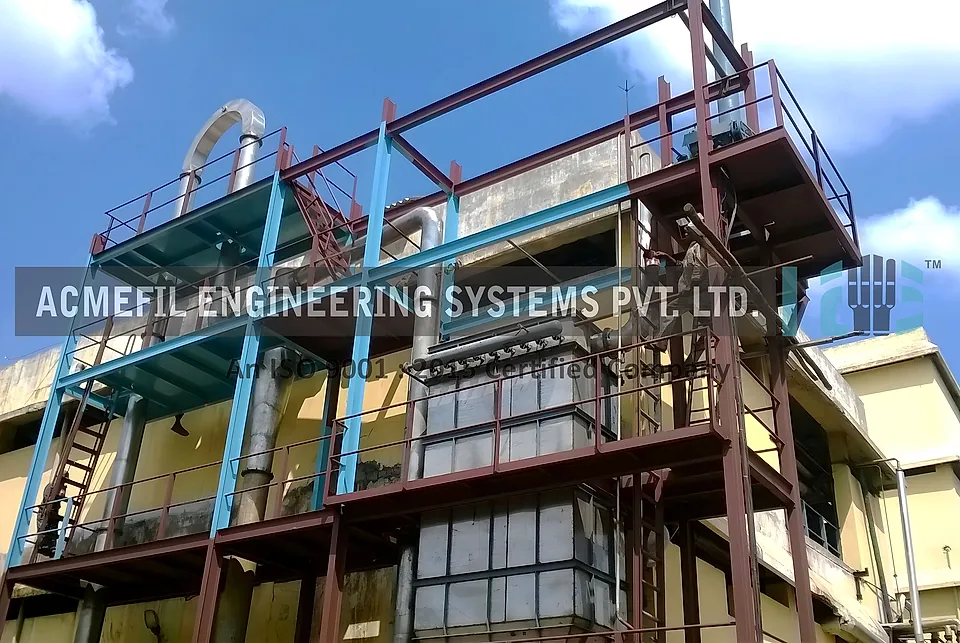
Flash dryers
Loose, crumbly wet solids are fed into a fast stream of hot air, carried up a drying duct and dried in seconds – continuous, simple and compact.
- Seconds of drying
- Continuous
- Simple, compact layout
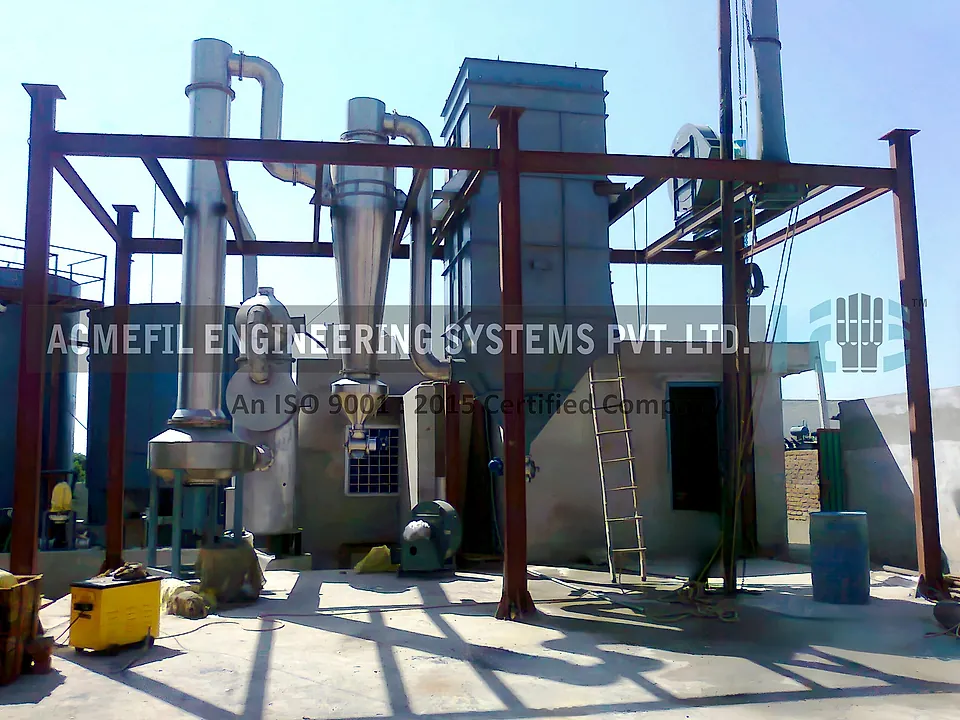
Spin flash dryers
Wet cake and paste are broken up by a rotor inside a swirling hot-air vortex and leave as dry powder – for feeds a plain flash dryer cannot disperse.
- Filter cake & paste
- De-agglomerated powder
- Sticky, lumpy feeds
Send your product details and capacity. We reply with a dryer recommendation, budget quote and a pilot-trial option.
Get my proposalWhatsApp
Process engineers at Acmefil Engineering Systems Pvt. Ltd., Ahmedabad – designers and manufacturers of flash and spin flash dryers, fluid bed and spray dryers since 2000.